Enhancing Your Home: Siding Upgrade Services Explained
Embark on a journey through the world of siding upgrade services, where we explore the different materials, processes, benefits, and hiring tips. This comprehensive guide will help you understand how upgrading your siding can transform your home.
Unveiling the secrets of siding upgrades, this exploration delves into the nuances of each aspect, providing valuable insights for homeowners looking to enhance their property.
Types of Siding Materials

When it comes to upgrading your home's siding, there are various materials to choose from, each with its own set of benefits and considerations.
Vinyl Siding
Vinyl siding is a popular choice due to its affordability and low maintenance requirements. It is durable, resistant to rot and insects, and comes in a wide range of colors and styles. However, it may crack or fade over time, especially in extreme weather conditions.
Wood Siding
Wood siding offers a natural, rustic look that many homeowners love. It is environmentally friendly and can be painted or stained to match your desired aesthetic. However, wood siding requires regular maintenance, such as painting or staining, to prevent rot, mold, and insect damage.
Fiber Cement Siding
Fiber cement siding is a durable and low-maintenance option that can mimic the look of wood or stucco. It is resistant to rot, fire, and insects, making it a long-lasting choice for your home. While it may cost more upfront than vinyl or wood siding, it typically requires less maintenance over time.
Metal Siding
Metal siding, such as aluminum or steel, is known for its strength and longevity. It is resistant to fire, rot, and insects, making it a durable option for harsh weather conditions. Metal siding can be painted in various colors and styles, but it may dent or scratch more easily than other materials.
Siding Upgrade Process

When it comes to upgrading your home's siding, the process involves several important steps to ensure a successful and long-lasting result. From preparation to installation and finishing, each stage plays a crucial role in enhancing the overall look and functionality of your property.
Preparation Stage
- Inspect the existing siding for damage or wear and tear.
- Remove any old or damaged siding materials.
- Address any underlying issues, such as water damage or mold.
- Prepare the surface for the new siding installation.
Installation Stage
- Select the appropriate siding material based on your preferences and budget.
- Measure and cut the siding panels to fit the dimensions of your home.
- Secure the siding panels to the exterior of the house using the proper installation techniques.
- Ensure proper ventilation and drainage to prevent moisture buildup.
Finishing Stage
- Add finishing touches, such as trim pieces and corner caps, to complete the look.
- Apply a protective sealant or paint to enhance the durability of the siding.
- Clean up the work area and inspect the installation for any gaps or imperfections.
Importance of Insulation and Weatherproofing
Proper insulation and weatherproofing are essential components of a siding upgrade process. Insulation helps regulate indoor temperatures, improve energy efficiency, and reduce noise transmission
By ensuring that your siding upgrade includes adequate insulation and weatherproofing measures, you can enhance the comfort, safety, and longevity of your property.
Benefits of Siding Upgrades

Upgrading the siding of a home can bring numerous benefits to homeowners. From improved energy efficiency to increased property value and enhanced curb appeal, there are several advantages to investing in a siding upgrade.
Improved Energy Efficiency
One of the key benefits of upgrading siding is the improvement in energy efficiency it can bring to a home. Quality siding materials, such as insulated vinyl or fiber cement, can help regulate indoor temperatures more effectively, reducing the strain on heating and cooling systems.
This can lead to lower energy bills and a more comfortable living environment.
Impact on Property Value and Curb Appeal
Another significant advantage of siding upgrades is the positive impact they can have on the property value and curb appeal of a home. High-quality siding not only enhances the overall aesthetic of the house but also provides better protection against the elements.
This can make the property more attractive to potential buyers and increase its resale value in the long run.
Hiring Siding Upgrade Services
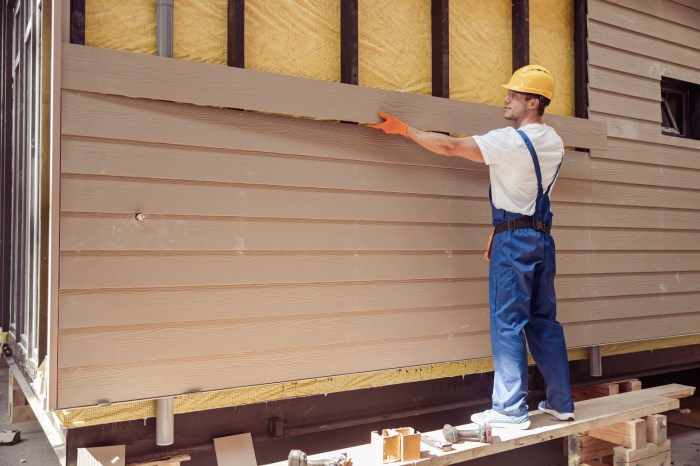
When it comes to upgrading your siding, selecting the right contractor is crucial to ensure a successful project. Here are some tips to help you choose a reputable siding upgrade contractor.
Checking Licenses, Insurance, and Warranties
It is essential to check if the siding upgrade contractor has the necessary licenses and permits to operate in your area. This ensures that they meet the required standards and regulations. Additionally, make sure they have insurance coverage to protect you and their employees in case of any accidents during the project.
It is also wise to inquire about the warranties they offer for their workmanship and materials.
Key Factors to Consider When Obtaining Quotes
Before hiring a siding upgrade contractor, it is important to obtain quotes from multiple companies to compare prices and services. When reviewing the quotes, consider the following key factors:
- Materials: Ensure that the quotes include detailed information about the type and quality of materials that will be used for the siding upgrade.
- Labor Costs: Understand the breakdown of labor costs in the quotes and make sure there are no hidden fees.
- Timeline: Discuss the estimated timeline for the project with each contractor to ensure it aligns with your expectations.
- References: Ask for references from past clients to get a sense of the contractor's work quality and professionalism.
- Communication: Evaluate how the contractor communicates with you during the quote process to gauge their responsiveness and clarity.
Outcome Summary

In conclusion, siding upgrades offer not just improved aesthetics but also enhanced durability and energy efficiency. By choosing the right materials and following the proper installation process, homeowners can elevate the value and appeal of their homes. Dive into the world of siding upgrades and unlock the full potential of your property.
Question Bank
What are the different types of siding materials available for upgrades?
There are various options such as vinyl, wood, fiber cement, and metal siding, each with its own durability and maintenance requirements.
How can siding upgrades improve energy efficiency?
Upgrading siding can enhance insulation, reducing energy loss and lowering utility bills.
What should homeowners look for when hiring a siding upgrade contractor?
It's important to check for licenses, insurance, warranties, and to obtain multiple quotes for comparison.